

In the constantly changing landscape of the current economy, opportunities for entrepreneurial success lies in identifying and seizing right commercial opportunities. As we ahead to 2026, it's essential for both entrepreneurs and first-time business owners to stay informed about emerging sectors that can lead to significant growth. Finding your way through the myriad options available can be daunting, but armed with the right strategies and approach, it is possible for anyone to uncover lucrative ventures that meet their goals.
Whether you are exploring online business options with minimal startup costs or looking into local markets with strong potential, understanding what to look for is crucial. High-demand industries, scalable models, and niches with high profit margins are all ripe for innovation and expansion. In this article, we will delve into various strategies for identifying these opportunities, assessing risks, and making informed decisions that can lead to sustainable success. From service-based industries to digital markets, the horizon is filled with possibilities waiting to be unlocked.
Spotting Lucrative Chances
In the current dynamic business landscape, spotting successful opportunities requires a strong grasp of market dynamics and buyer demands. Startups should start by performing comprehensive investigation to identify niches in the market. Utilizing tools such as polls, social media insights, and industry reports can deliver insightful information on what goods or products are currently in vogue. Interacting with potential customers through discussions can also reveal issues that could inspire innovative business ideas.
Another successful approach to spotting opportunities is by reviewing thriving business models that are currently in operation. Look for industries that are prospering and consider how you can adapt or enhance these models to fulfill particular customer demands. By assessing businesses that already exhibit a track record of profits, you can outline strategies that have shown successful and execute them within your own ventures. This method not only reduces risks but also creates opportunities for creating your individual value proposition.
In conclusion, it is crucial to evaluate your own abilities and interests when pursuing business opportunities . Matching your passions with market needs will not only enhance your chances of achieving success but also make certain that you continue enthusiastic throughout your venture. By assessing your capabilities and how they can be leveraged in the business landscape, you will be optimally situated to discover opportunities that excite you and present long-term growth potential.
Up-and-Coming Trends and Opportunities
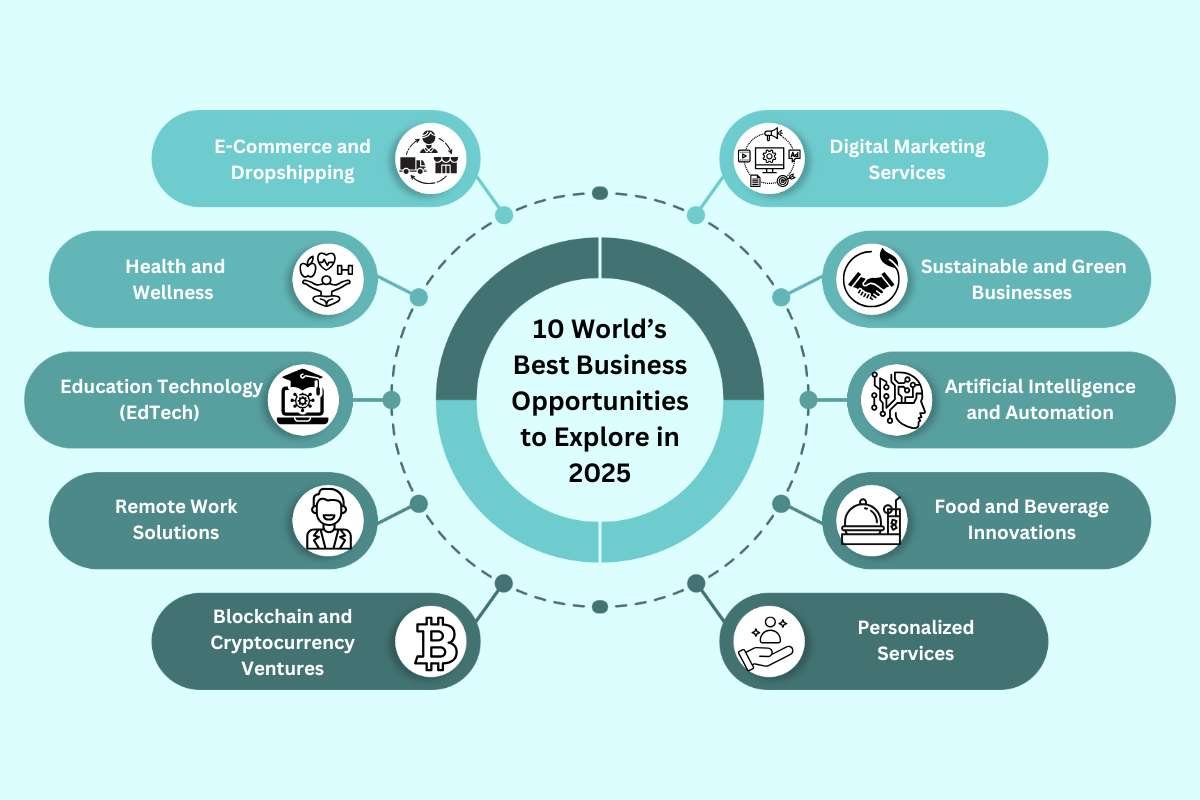
As we look towards 2026, many new trends are influencing the environment of business opportunities. The rise of remote work and digital collaboration tools is driving a demand for offerings that address this change. Companies are looking for software solutions, adaptable office spaces, and online team-building experiences to enhance productivity and employee satisfaction in a remote environment. These patterns indicate a significant potential for startups who can provide innovative digital solutions that meet the shifting needs of businesses.
Eco-friendliness and eco-conscious consumerism are also influencing market dynamics. Consumers are increasingly prioritizing environmentally friendly products and services, leading to a surge in opportunities that encourage sustainability. Startups can tap into this growing market by offering green alternatives in multiple industries, from fashion to food services. Creative solutions, such as upcycled materials or zero-waste processes, not only appeal to conscious consumers but also contribute to global efforts to combat climate change, making them incredibly relevant business ventures.
Additionally, the digital market is booming, with e-commerce continuing to accelerate rapidly. Businesses that respond to this movement by establishing a robust online presence or exploring niche markets within the digital space can reap significant benefits. Opportunities in subscription-based services, online education, and specialized e-commerce platforms are especially promising. Startups who can leverage these digital trends while providing exceptional value propositions are well-positioned to flourish in an increasingly competitive landscape.
Approaches for Long-Term Growth
To attain lasting growth, companies should focus on establishing solid partnerships with their clients. Understanding client preferences and preferences allows companies to tailor their offerings appropriately, cultivating devotion and recurring patronage. Engaging with clients through consumer feedback and digital channels can enable companies adapt quickly to shifting trends, ensuring they remain important in a competitive industry. Creating an sentimental bond with customers can differentiate a brand and build confidence, which is crucial for enduring success.
Another key approach for sustainable expansion is to embrace new ideas. Organizations should regularly search for ways to improve their offerings and simplify operations. This could involve putting resources in advanced tools, venturing into developing online markets, or adopting green methods that attract with socially conscious shoppers. Encouraging a culture of originality within the company can yield the development of creative ideas that meet market demands while boosting performance and financial gains. Organizations that respond to changes and create regularly position themselves favorably for future achievement.
In conclusion, broadening income sources is crucial for maintaining expansion over time. Relying on a single service or product can render companies to economic fluctuations. Pursuing unique market opportunities, expanding into other fields, or developing supplementary products can reduce vulnerabilities. Companies can also seek online channels with reduced startup costs to test concepts without major financial commitment. By branching out and executing these strategies, business leaders can build resilient businesses capable of flourishing in any market conditions.